

The Symbolic Significance of the Wall in the Opera’s Narrative
The opera “The Wall” is a masterpiece that captivates audiences with its complex narrative and rich symbolism. One of the most intriguing aspects of the opera is the symbolic significance of the wall in its narrative. The wall serves as a powerful metaphor throughout the opera, representing various themes and ideas that add depth and meaning to the story.
At its core, the wall in the opera represents the barriers that separate individuals from one another. It symbolizes the emotional and psychological walls that people build around themselves, isolating them from genuine human connection. This theme is explored through the character of the protagonist, who finds himself trapped behind a metaphorical wall of his own making.
The wall also represents societal divisions and conflicts. It serves as a physical manifestation of the divisions between different social classes, races, and ideologies. The opera delves into the consequences of these divisions, highlighting the destructive nature of walls that separate people based on superficial differences. Through its narrative, the opera encourages audiences to question the walls that exist in their own lives and to strive for unity and understanding.
Furthermore, the wall in the opera can be seen as a symbol of oppression and control. It represents the oppressive systems and structures that limit individual freedom and autonomy. The protagonist’s struggle to break free from the wall mirrors the struggle for liberation from oppressive forces in society. The opera challenges audiences to confront the walls of oppression in their own lives and to fight for justice and equality.
In addition to its symbolic significance, the wall in the opera also serves as a visual spectacle. The grandeur and scale of the wall on stage create a sense of awe and wonder. The opera’s set design and staging techniques enhance the impact of the wall, immersing the audience in its symbolic power. The wall becomes a character in its own right, commanding attention and evoking a range of emotions.
The symbolism of the wall is further enhanced by the opera’s music and lyrics. The haunting melodies and poignant lyrics convey the emotional weight of the wall and its impact on the characters. The music serves as a powerful tool to convey the opera’s themes and to evoke a visceral response from the audience. The combination of music, lyrics, and visual spectacle creates a multi-sensory experience that deepens the opera’s narrative and symbolism.
In conclusion, the wall in the opera “The Wall” holds significant symbolic significance. It represents the barriers that separate individuals, the divisions in society, and the oppressive forces that limit freedom. The opera’s exploration of these themes encourages audiences to reflect on the walls in their own lives and to strive for unity, justice, and liberation. The visual and auditory elements of the opera enhance the impact of the wall, creating a powerful and immersive experience for the audience. “The Wall” is a testament to the power of symbolism in storytelling and a reminder of the importance of breaking down walls in our own lives and in society.
Analyzing the Complex Characters and their Relationship to the Wall
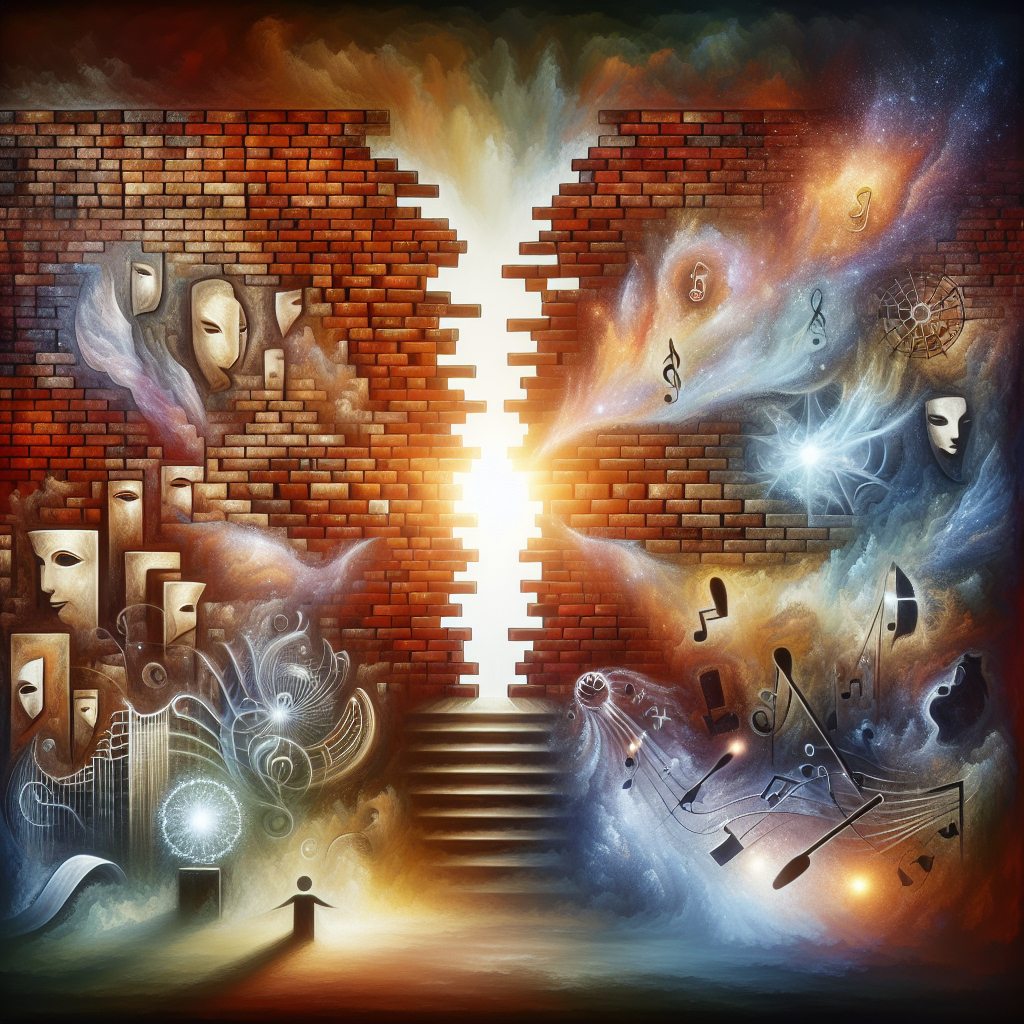
The Wall, a rock opera released by Pink Floyd in 1979, is a masterpiece that goes beyond its bricks and mortar. It is a complex narrative that delves into the depths of human emotions and explores the themes of isolation, alienation, and self-destruction. In order to fully appreciate the depth of this opera, it is essential to analyze the complex characters and their relationship to the wall.
The protagonist of The Wall is Pink, a troubled rock star who builds a metaphorical wall around himself as a defense mechanism against the pain and suffering he has experienced in his life. Pink’s character is a representation of the alienation and isolation that many individuals feel in modern society. Through his journey, Pink encounters various characters who contribute to the construction of his wall.
One of the most significant characters in The Wall is Pink’s overprotective mother. She represents the suffocating nature of overbearing parental figures who stifle individuality and prevent personal growth. Pink’s mother is portrayed as a domineering presence, constantly nagging and controlling him. Her actions contribute to Pink’s feelings of isolation and his desire to build a wall to protect himself from her influence.
Another character that plays a crucial role in the narrative is Pink’s absent father. His absence symbolizes the emotional void that Pink experiences throughout his life. Without a father figure to guide him, Pink is left to navigate the complexities of life on his own, leading to his eventual descent into madness. The absence of a father figure is a common theme in The Wall, reflecting the impact that absent fathers can have on individuals’ emotional well-being.
Pink’s relationships with women also contribute to the construction of his wall. His failed marriage and subsequent affairs represent the breakdown of intimate connections and the inability to form meaningful relationships. The women in Pink’s life are portrayed as distant and unattainable, further fueling his feelings of isolation and reinforcing the need for his protective wall.
The character of the schoolmaster represents the oppressive nature of educational institutions and societal expectations. Pink’s experiences in school are depicted as traumatic, with the schoolmaster’s authoritarian rule stifling creativity and individuality. The schoolmaster’s presence reinforces the idea that societal norms and expectations can contribute to the construction of walls that separate individuals from their true selves.
The final character that contributes to the wall’s construction is Pink himself. As the opera progresses, Pink becomes increasingly detached from reality, retreating further behind his wall. His self-destructive behavior, fueled by drugs and alcohol, represents the destructive nature of isolation and the consequences of shutting oneself off from the world. Pink’s journey serves as a cautionary tale, highlighting the importance of connection and the dangers of self-imposed isolation.
In conclusion, The Wall is a complex narrative that explores the themes of isolation, alienation, and self-destruction. Through the analysis of the complex characters and their relationship to the wall, we gain a deeper understanding of the opera’s profound symbolism. The characters in The Wall represent various aspects of society that contribute to the construction of walls, both literal and metaphorical. By examining these characters and their impact on Pink’s journey, we can appreciate the opera’s powerful message about the human condition and the importance of breaking down the walls that separate us.
Exploring the Deep Symbolism and Metaphorical Meanings of the Wall in the Opera
The opera “The Wall” is a masterpiece that captivates audiences with its complex narrative and rich symbolism. Beyond the bricks that make up the physical structure of the wall lies a deeper meaning that explores themes of isolation, oppression, and the human condition. In this section, we will delve into the profound symbolism and metaphorical meanings of the wall in the opera.
One of the most prominent symbolic interpretations of the wall is its representation of isolation. Throughout the opera, the wall serves as a physical barrier that separates individuals from one another. This isolation is not only evident in the physical sense but also in the emotional and psychological realms. The characters in the opera are trapped behind the wall, unable to connect with each other on a deeper level. This isolation highlights the profound loneliness that can exist within the human experience.
Furthermore, the wall also symbolizes oppression. It represents the societal structures and systems that restrict individual freedom and autonomy. The characters in the opera are confined by the wall, unable to break free from its grasp. This oppression is not only external but also internal, as the characters struggle with their own personal demons and limitations. The wall becomes a metaphor for the barriers that prevent individuals from living authentic and fulfilling lives.
In addition to isolation and oppression, the wall in the opera also represents the human condition. It serves as a metaphor for the walls we build within ourselves, the emotional barriers that prevent us from truly connecting with others. The characters in the opera are trapped behind their own walls, unable to break free from their own fears and insecurities. This exploration of the human condition reminds us of our own vulnerabilities and the universal struggle to find meaning and connection in our lives.
The symbolism of the wall is further enhanced by the opera’s use of imagery and visual elements. The towering structure of the wall, with its imposing presence, creates a sense of confinement and entrapment. The use of dark and somber colors adds to the atmosphere of isolation and oppression. These visual elements work in harmony with the narrative to deepen the symbolic meaning of the wall.
Moreover, the wall in the opera also serves as a commentary on societal divisions and conflicts. It represents the walls that separate communities, nations, and ideologies. The opera challenges us to question the walls we build, both physical and metaphorical, and the consequences they have on our collective humanity. It urges us to break down these walls and strive for unity and understanding.
In conclusion, the wall in the opera “The Wall” is a powerful symbol that goes beyond its physical presence. It represents isolation, oppression, the human condition, and societal divisions. Through its profound symbolism and metaphorical meanings, the wall invites us to reflect on our own barriers and the importance of breaking them down. The opera’s exploration of these themes serves as a poignant reminder of the complexities of the human experience and the need for connection and empathy.