

The Evolution of Pink Floyd’s Dark Side of the Moon: A Track-by-Track Breakdown
Pink Floyd’s “Dark Side of the Moon” is widely regarded as one of the greatest albums of all time. Released in 1973, it marked a significant turning point in the band’s career and solidified their status as progressive rock pioneers. This article aims to deconstruct the album, providing a track-by-track analysis that delves into the evolution of each song and the overall masterpiece that is “Dark Side of the Moon.”
The album opens with the haunting sound of a heartbeat in the track “Speak to Me.” This serves as a powerful introduction, immediately capturing the listener’s attention and setting the tone for the rest of the album. The heartbeat motif reappears throughout the album, symbolizing the human experience and the passage of time.
Following “Speak to Me” is “Breathe,” a song that explores the themes of escapism and the pressures of modern life. The lyrics, combined with David Gilmour’s soulful guitar solos, create a sense of longing and introspection. The transition from “Speak to Me” to “Breathe” is seamless, showcasing the album’s meticulous attention to detail and its ability to create a cohesive listening experience.
Next up is “On the Run,” a track that takes the listener on a sonic journey through the chaos and anxiety of modern life. The use of synthesizers and experimental sound effects adds a sense of urgency and unease. This instrumental piece serves as a bridge between the introspective themes of “Breathe” and the societal critique that follows.
The fourth track, “Time,” is arguably one of the album’s highlights. It delves into the concept of time and its impact on our lives. The lyrics, accompanied by Richard Wright’s mesmerizing piano melodies, reflect on the fleeting nature of existence and the importance of seizing the moment. The transition from “On the Run” to “Time” is seamless, further emphasizing the album’s thematic coherence.
“The Great Gig in the Sky” follows, featuring Clare Torry’s powerful and emotive vocals. This track explores the concept of death and the fear of the unknown. Torry’s improvised vocal performance adds a raw and visceral element to the song, making it one of the most emotionally charged moments on the album.
Moving on, “Money” is a biting critique of capitalism and its corrupting influence. The iconic cash register sound and Roger Waters’ cynical lyrics make this track instantly recognizable. The transition from “The Great Gig in the Sky” to “Money” is skillfully executed, showcasing the album’s seamless flow and attention to detail.
The penultimate track, “Us and Them,” delves into the themes of war, division, and the human condition. The lush harmonies and saxophone solos create a sense of melancholy and reflection. This track serves as a poignant reminder of the album’s overarching message of unity and empathy.
Finally, “Brain Damage” and “Eclipse” bring the album to a powerful conclusion. “Brain Damage” explores the themes of mental illness and societal alienation, while “Eclipse” serves as a triumphant finale, encapsulating the album’s central message of embracing the light within the darkness.
In conclusion, Pink Floyd’s “Dark Side of the Moon” is a masterpiece that continues to captivate audiences to this day. Its track-by-track breakdown reveals a meticulously crafted album that seamlessly weaves together themes of time, life, death, and the human experience. From the haunting opening heartbeat to the triumphant finale, “Dark Side of the Moon” remains a timeless work of art that showcases Pink Floyd’s unparalleled musical genius.
Unveiling the Symbolism in Pink Floyd’s Dark Side of the Moon: A Comprehensive Analysis
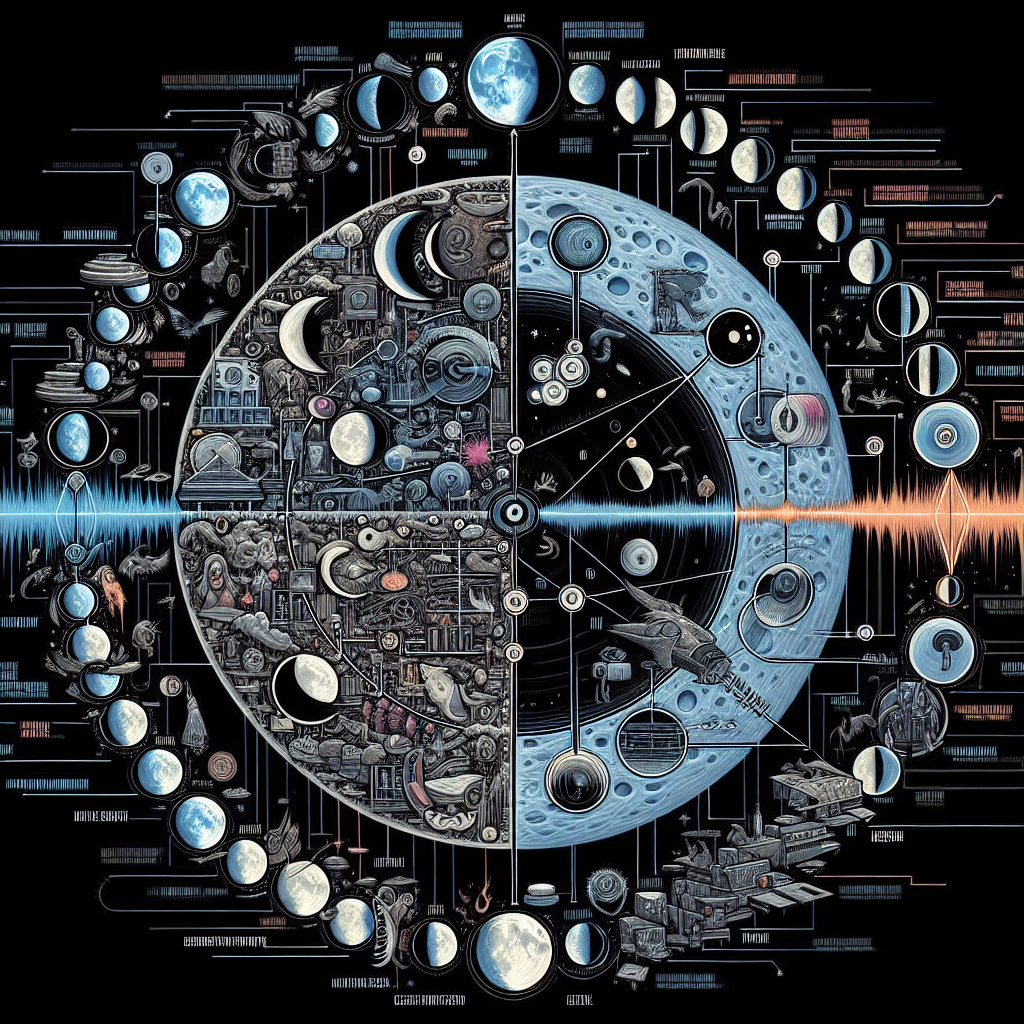
Deconstructing “Dark Side of the Moon”: A Track-by-Track Analysis of a Masterpiece
Pink Floyd’s “Dark Side of the Moon” is widely regarded as one of the greatest albums of all time. Released in 1973, it has captivated audiences for decades with its mesmerizing soundscapes and thought-provoking lyrics. In this article, we will delve into the album’s symbolism and explore the deeper meanings behind each track, unraveling the layers of this musical masterpiece.
The album opens with the haunting sound of a heartbeat in the track “Speak to Me.” This pulsating rhythm sets the tone for the entire album, symbolizing the universal human experience. It serves as a reminder that we are all connected, sharing the same fears, hopes, and desires.
Transitioning seamlessly into “Breathe,” the lyrics explore the theme of escapism. The line “Breathe, breathe in the air” encourages listeners to take a moment to pause and reflect on their lives. It serves as a reminder to appreciate the present moment and not get caught up in the chaos of everyday life.
As we move into “On the Run,” the album takes a darker turn. This instrumental track represents the anxieties and pressures of modern society. The frantic pace and dissonant sounds mirror the feeling of being constantly on the go, never able to catch a breath. It serves as a warning against the dangers of a fast-paced, materialistic lifestyle.
The next track, “Time,” delves into the concept of mortality. The lyrics urge listeners to seize the day and make the most of their time on Earth. The ticking clock in the background serves as a constant reminder of the fleeting nature of life. It is a poignant reflection on the inevitability of death and the importance of living in the present.
“Money” explores the corrupting influence of wealth and materialism. The iconic cash register sound and the lyrics “Money, it’s a gas” highlight the obsession with money in our society. It serves as a critique of capitalism and the detrimental effects it can have on individuals and society as a whole.
Moving on to “Us and Them,” the track delves into the theme of division and conflict. The lyrics explore the arbitrary nature of borders and the futility of war. It serves as a call for unity and understanding, urging listeners to look beyond differences and find common ground.
The album reaches its emotional peak with “Brain Damage” and “Eclipse.” These tracks delve into the complexities of the human mind and the search for meaning in a chaotic world. The lyrics “And if the cloud bursts, thunder in your ear, you shout and no one seems to hear” capture the feeling of isolation and alienation that many people experience. It serves as a reminder that we are all vulnerable and in need of connection.
In the final track, “Eclipse,” the album comes full circle. The lyrics “All that you touch, all that you see, all that you taste, all you feel” encapsulate the album’s overarching message. It serves as a reminder to embrace the full spectrum of human experience, both the light and the dark. It is a call to live authentically and fully, embracing the complexities of life.
In conclusion, Pink Floyd’s “Dark Side of the Moon” is a masterpiece that continues to resonate with audiences today. Through its powerful symbolism and thought-provoking lyrics, it explores universal themes such as time, mortality, and the human experience. It serves as a reminder to live fully and authentically, embracing both the light and the dark. This album stands as a testament to the enduring power of music to touch our souls and provoke introspection.
Exploring the Musical Techniques in Pink Floyd’s Dark Side of the Moon: A Detailed Track-by-Track Review
Pink Floyd’s “Dark Side of the Moon” is widely regarded as one of the greatest albums of all time. Released in 1973, this progressive rock masterpiece has captivated audiences for decades with its thought-provoking lyrics, innovative soundscapes, and meticulous attention to detail. In this article, we will embark on a track-by-track analysis of this iconic album, exploring the musical techniques that make it a true work of art.
The album opens with the hauntingly beautiful track “Speak to Me.” This short instrumental serves as an introduction to the album, setting the tone for what is to come. The use of heartbeat sounds and various snippets of dialogue creates a sense of unease and anticipation, drawing the listener into the album’s conceptual journey.
Transitioning seamlessly into “Breathe,” the album’s first proper song, we are immediately struck by the ethereal combination of acoustic guitar, keyboards, and David Gilmour’s soulful vocals. The song’s gentle rhythm and dreamlike atmosphere create a sense of tranquility, inviting the listener to immerse themselves in the music.
As we move on to “On the Run,” the album takes a sharp turn. This instrumental track is a sonic exploration of anxiety and paranoia, with its pulsating synthesizers and frenetic sound effects. The use of stereo panning and tape loops adds to the disorienting nature of the song, effectively conveying the feeling of being trapped in a never-ending chase.
Next up is “Time,” a song that delves into the concept of mortality and the passage of time. The song’s opening clocks ticking and chiming serve as a powerful metaphor for the relentless march of time. The intricate guitar solos and Roger Waters’ introspective lyrics further enhance the song’s emotional impact, making it one of the album’s standout tracks.
Moving on to “The Great Gig in the Sky,” we are treated to one of the most breathtaking vocal performances in rock history. Clare Torry’s wordless vocals soar above the music, conveying a range of emotions from sorrow to ecstasy. The song’s gradual build-up and cathartic release make it a truly transcendent experience.
The album’s second half begins with “Money,” a song that showcases Pink Floyd’s mastery of complex time signatures and unconventional song structures. The iconic bass line, played by Roger Waters, instantly grabs the listener’s attention, while the lyrics critique the materialistic nature of society. The use of cash register sounds and the saxophone solo by Dick Parry add to the song’s unique charm.
Continuing the exploration of societal themes, “Us and Them” delves into the divisions that plague humanity. The song’s lush orchestration, featuring saxophones and Richard Wright’s elegant piano playing, creates a sense of melancholy and introspection. The lyrics, delivered with heartfelt sincerity by Gilmour, serve as a poignant reminder of the need for empathy and understanding.
The album reaches its climax with “Brain Damage” and “Eclipse.” These two tracks seamlessly blend together, bringing the album’s themes full circle. “Brain Damage” explores the fragility of the human mind, while “Eclipse” serves as a powerful conclusion, emphasizing the album’s overarching message of unity and interconnectedness.
In conclusion, Pink Floyd’s “Dark Side of the Moon” is a true masterpiece that continues to captivate listeners to this day. Through its innovative use of sound effects, intricate musical arrangements, and thought-provoking lyrics, the album takes us on a profound journey of self-reflection and introspection. Each track contributes to the album’s overall narrative, creating a cohesive and immersive listening experience. It is no wonder that “Dark Side of the Moon” remains a timeless classic, standing as a testament to the power of music as an art form.